
The philosophy of collective agreement—where decisions are only legitimate if the entire group signs off, is seductive because it promises inclusion and reduces internal friction. But the cost is catastrophic.
When the group makes the decision, no individual is truly responsible. This diffusion of responsibility is the antithesis of effective leadership. It creates a breeding ground for Groupthink—a phenomenon coined by psychologist Irving Janis (1972)—where the desire for internal harmony actively suppresses critical evaluation and encourages the self-censoring of dissenting expert opinions.²
The dangers are not academic; they are tragic:
In consensus environments, the fear of alienating a single key stakeholder often dictates the pace and direction of the entire organization. The power rests not with the most qualified decision-maker, but with the person most willing to obstruct. This is not governance; it is organizational paralysis.
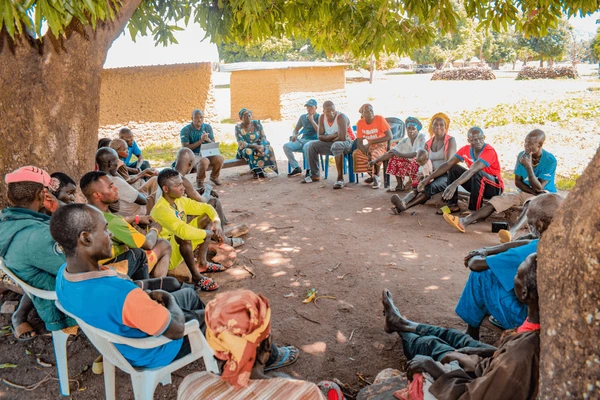
The widespread push for consensus often misappropriates revered African traditions like the Zulu Indaba (a conference or important meeting) to give the practice cultural weight.
However, the traditional Indaba was a process of deep, necessary consultation, not collective voting. The Chief or Headman would gather the elders and community to ensure every perspective was heard—a vital check against autocratic blindness. Yet, after this exhaustive consultation, the leader was expected to exercise final, decisive judgement. The community accepted the verdict because they were seen and heard, not because they voted on it.
The current interpretation, demanding full consensus, has corrupted this noble tradition into an excuse for weak leadership to offload responsibility.
Our organizations—public and private—have been heavily influenced by the historically risk-averse, consensus-driven European and Asian corporate models. While these models prioritize stability, they are fundamentally slow.
The most dynamic global economies, particularly the American model, are built on fast, accountable, and decisive leadership. Organizations like the Apple under Steve Jobs demonstrated this perfectly: he consulted deeply with his design and engineering teams, gathering critical, expert input, but he was ultimately the visionary who owned the final, audacious decision on product strategy and design. This leadership style—where the individual is accountable—drives speed, innovation, and global scale.
We also see the corrosive effects of consensus-driven enthusiasm in market bubbles. The Dot-com Bubble(late 1990s) was driven by an industry-wide Groupthink where collective euphoria and the fear of missing out drove irrational valuations, ultimately leading to massive economic loss.
The Path to True Accountability
Consultative leadership is the essential balance. It is not autocratic; it is simply separating the processes. Academic models of decision-making, such as the Vroom-Yetton-Jago decision model, define and validate the Consultative Style as highly effective for complex problems, precisely because it seeks input while retaining the individual leader’s ultimate decision-making authoritY.
| Phase | Purpose | Responsibility |
| I. Consultation | To gather information, challenge assumptions, build buy-in, and ensure no angles are missed. | The Team/Elders (Input Providers) |
| II. Decision | To filter the input, exercise judgement, and commit to a clear direction. | The Leader (Accountability Holder) |
The true leader understands that the decision-making authority is not a privilege; it is a strategic and moral imperative that comes with the burden of ultimate responsibility. The success or failure of the entire organization rests on their singular choice.
It is time for South African leaders to stand up, embrace this necessary burden, and direct our organizations with the clarity and courage that only consultative, decisive leadership can provide.
Are you ready to stop compromising your organization’s future for the sake of group comfort?
For 30 years, I’ve been lucky enough to mentor some world class executives through the complex transition from managing consensus to mastering consultative, high-accountability leadership.
My structure & approach equips you with the frameworks to seek comprehensive input while retaining the authority and vision to make the final, transformative call.
Connect with me today to discuss how we can accelerate your leadership journey and drive true growth.
References & Contextual Research:
